16 Elegant Pastimes of the Ancients When Bored in Seclusion (Part 2)
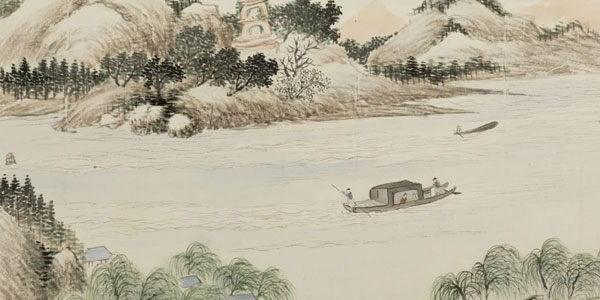
What kind of leisurely “retirement” life did the ancients have? Let’s continue reading
Ⅰ. Keep Chrysanthemums Company
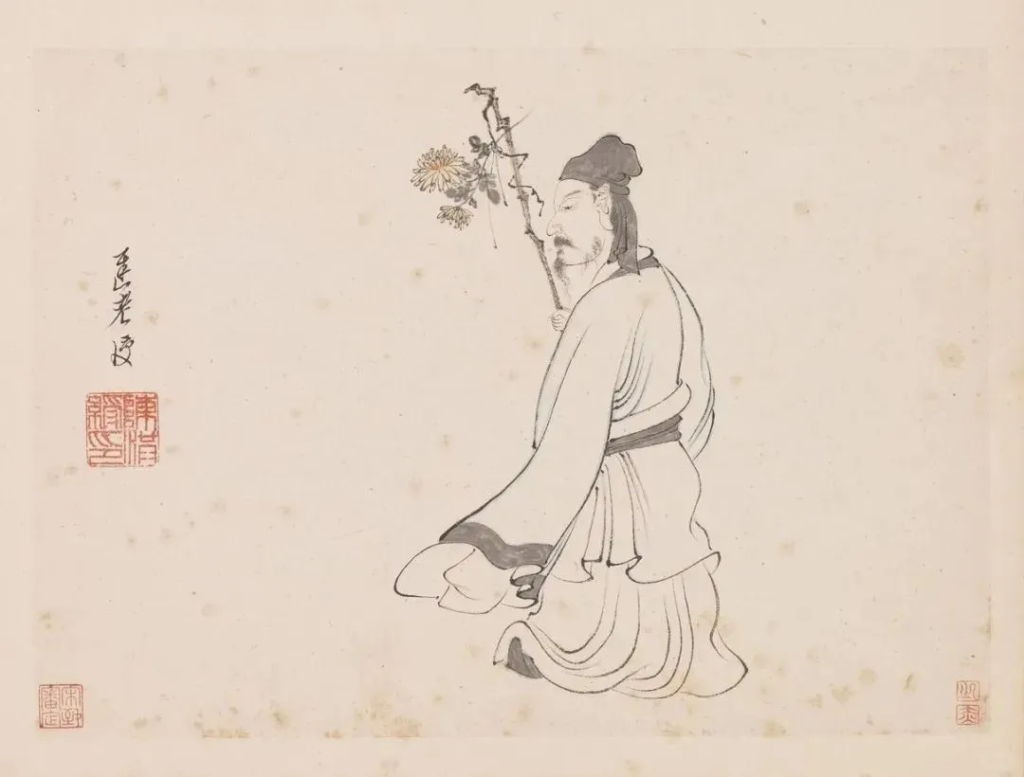
Do you still remember? We mentioned before that if you see someone dressed in a long dress Hanfu, it means that person is an intellectual. However, even though Tao Yuanming was a scholar, he loved the countryside no less than others.
The hermit Tao Yuanming wrote in his poem, “Picking chrysanthemums under the eastern fence, I casually glimpse the Southern Mountains.” Chrysanthemums symbolize noble character and reclusion in Chinese culture. When hermits “walk with chrysanthemums”, it shows their self – identification with and outward display of such qualities. By keeping chrysanthemums company, they express their determination not to blend in with the worldly and corrupt.
Ⅱ. Washing the Inkstone
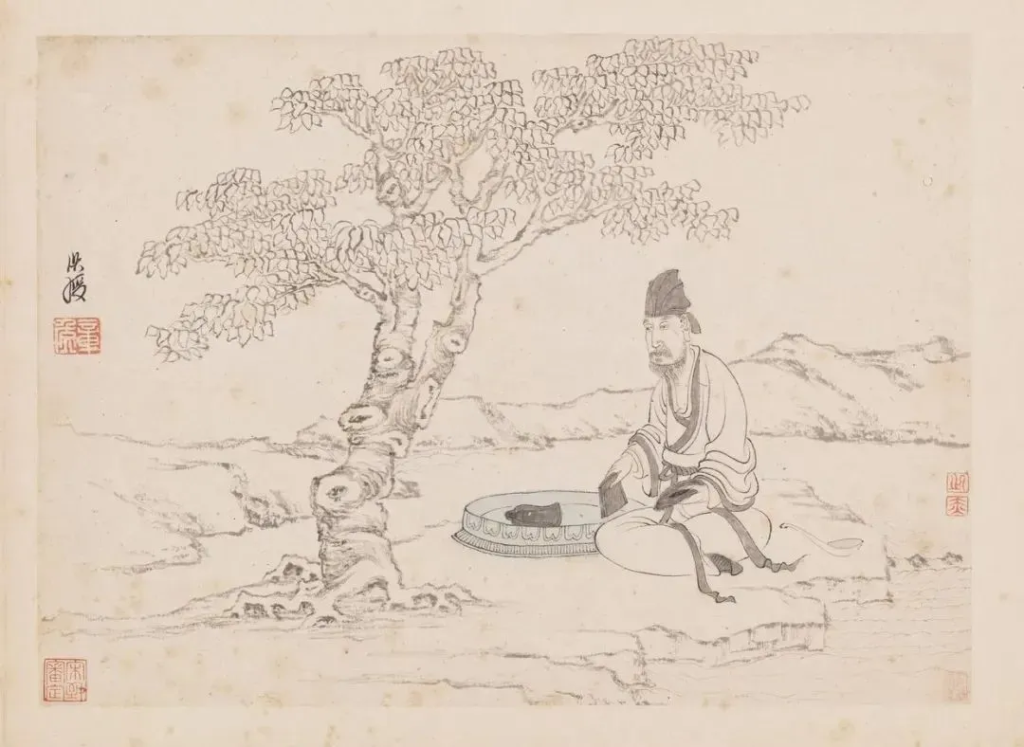
“Washing the inkstone” mainly refers to the daily task of cleaning the inkstone. Wei Ye (魏野) in the Northern Song Dynasty loved chanting poems and didn’t seek fame and fortune. In his poem On the Wall of Yu Taizhong’s House (《书逸人俞太中屋壁》), there is a line, Fish drink the ink of scholars in the washed-stream, Cranes shun the smoke where tea dreams boil.” Activities related to water and ink fit the aesthetic taste of literati. Washing the inkstone is a way for them to create a cultural atmosphere in their secluded lives.
Ⅲ. Buying Wine in the Cold
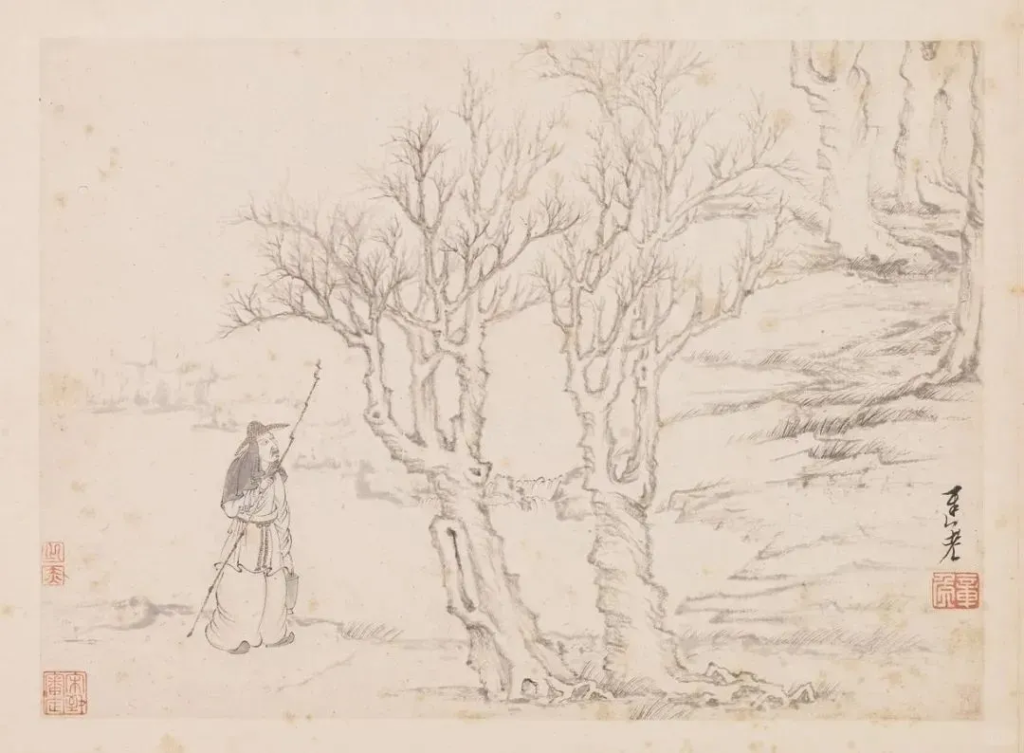
“Buying wine in the cold” means going out to buy wine on cold winter days. Du Xunhe, a poet in the Tang Dynasty, wrote in his poem “Boating on the Xiaoxiang River with Friends at the End of Winter” (杜荀鹤,《冬末同友人泛潇湘》), “The fish bought from the boat tastes especially delicious, and the wine bought while treading on the snow smells even better.” Wine was an important source of spiritual comfort for hermits, often associated with a detached and leisurely state of mind. In the freezing cold, with warm wine in their bellies, they could forget the troubles of the mortal world and indulge in their dreams.
Ⅳ. Admire the Moon
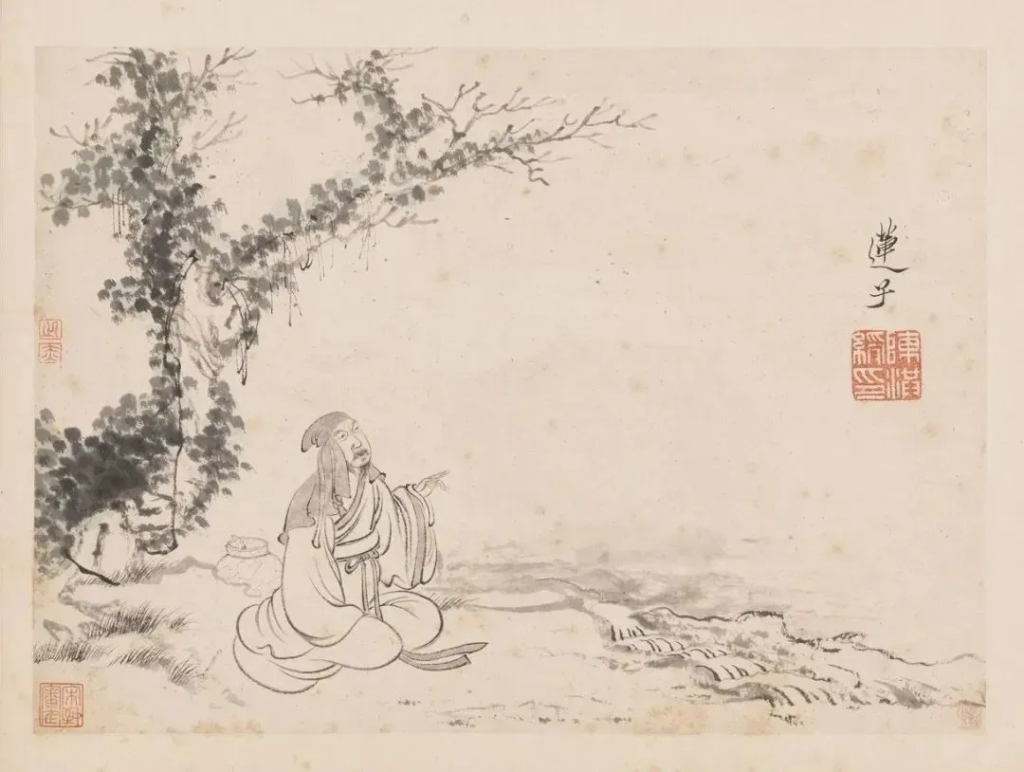
In ancient Chinese culture, the moon has always been a favorite theme for literati. From “The moon rises bright; the beauty is charming” in “Classic of Poetry” to Li Bai’s “Since when has the moon in the blue sky been here? I now put down my cup and ask it”, the moon has carried rich emotions and thoughts, and also reflected the philosophical thinking of the ancients.
Many people who cosplay Li Bai will choose to carry a gourd-shaped wine bottle and wear white Hanfu. Perhaps wearing this outfit at night, looking at the moon and sipping some wine, one might feel as if the Spirit of the Poetic Genius has possessed them.
Ⅴ. Cataloging Springs
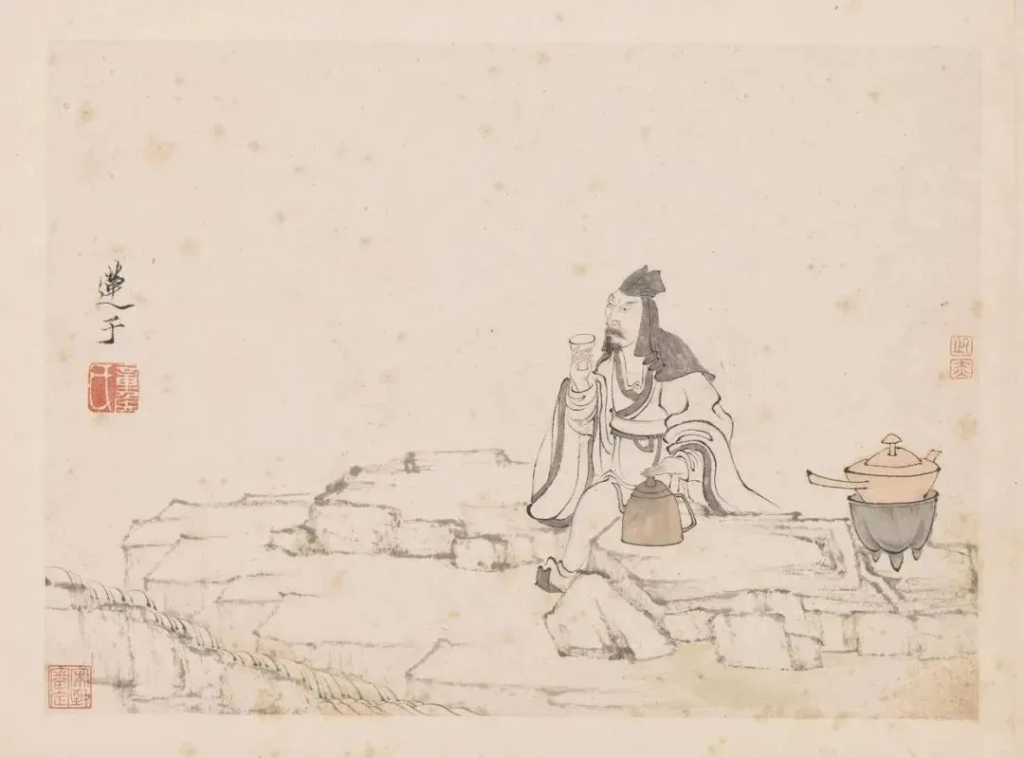
Since Lu Yu wrote The Classic of Tea in the Tang Dynasty, spring water has been regarded as crucial for tea – tasting. Literati and refined scholars who were fond of tea in successive dynasties all emphasized the importance of spring water. The act of “cataloging springs (Here, “cataloging springs” can be understood as creating a specialized “record” for spring water, meticulously documenting various details such as its characteristics, quality, origin, and relative merits and demerits.)” by hermits is a continuation of this tradition. For example, Zhang Dai’s (张岱) records of spring water in Dream Memories of Tao’an (《陶庵梦忆》) reflect the literati’s attention to the quality of spring water.
Ⅵ. Preserve Musical Instruments
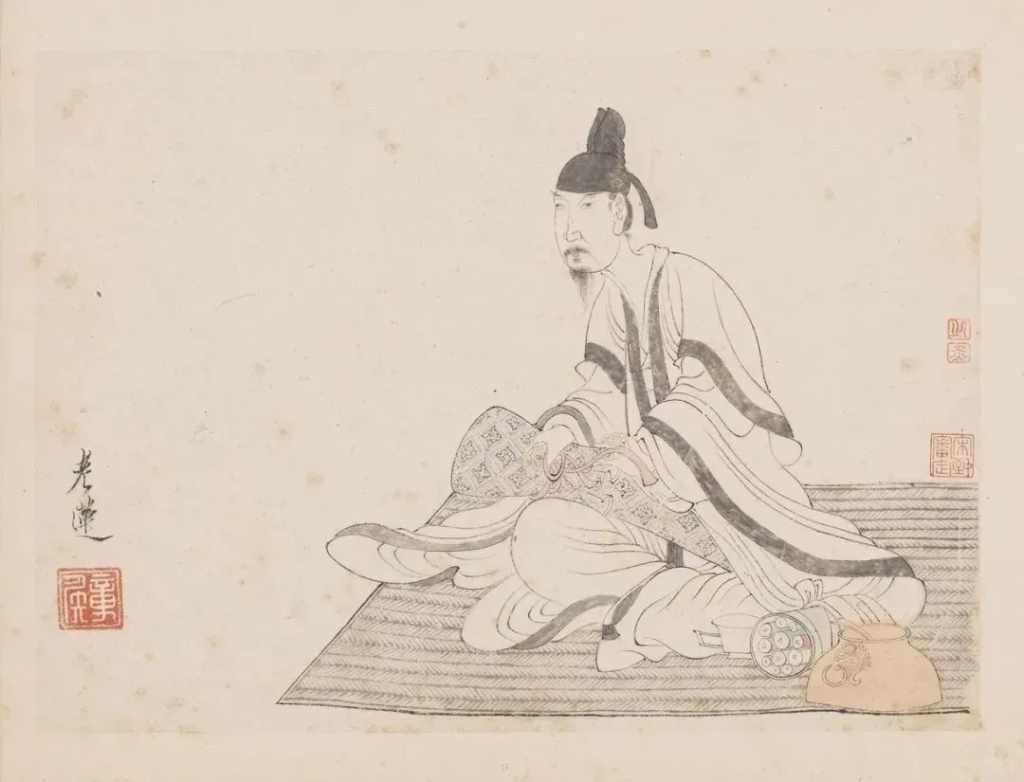
“囊幽” refers to the act of carefully storing musical instruments like the qin in a pouch. In the poem “Seeing Off Wang, a Qin – player from Jinhua, Returning to the Mountains” by Fu Ruojin(傅若金,《送金华王琴士还山》) in the Yuan Dynasty, there is a line: “The young guest from Jinhua, with his guqin (the seven-stringed Chinese zither) in a pouch, temporarily left the mountains.” For hermits, the qin is an important spiritual companion. “Enveloping Solitude” symbolizes the inner peace of hermits and their commitment to the spiritual world.
Ⅶ. Solitary Journey
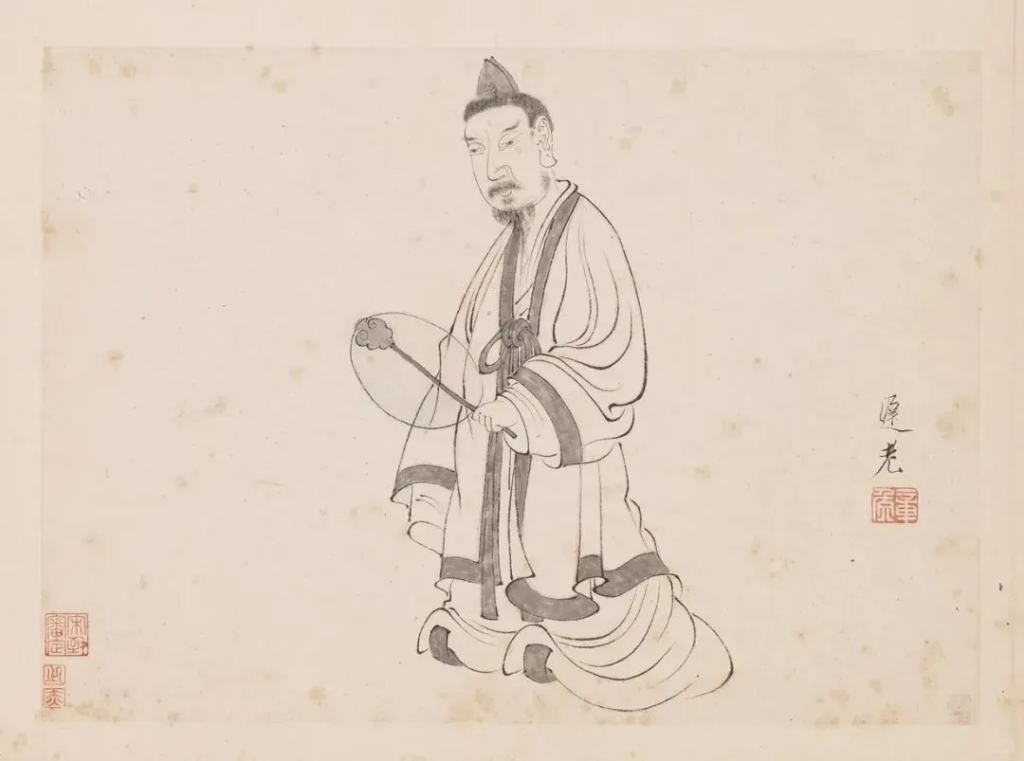
In A Brief Summary of Zhuangzi in Huainanzi (《淮南王·庄子略要》), it is said, “Those who live by the seas and rivers, and those who dwell in the mountains and valleys are the ones who look down upon the world, regard all things as insignificant, and embark on a solitary journey.” Sima Biao (司马彪) annotated it as, “They go alone into the realm of nature and no longer care about the mundane world.” “Solitary Journey” symbolizes the pursuit of hermits to transcend the mortal world. They choose to leave the crowd and venture alone into the unknown, which is a departure from worldly life.
Ⅷ. Piao Xiang
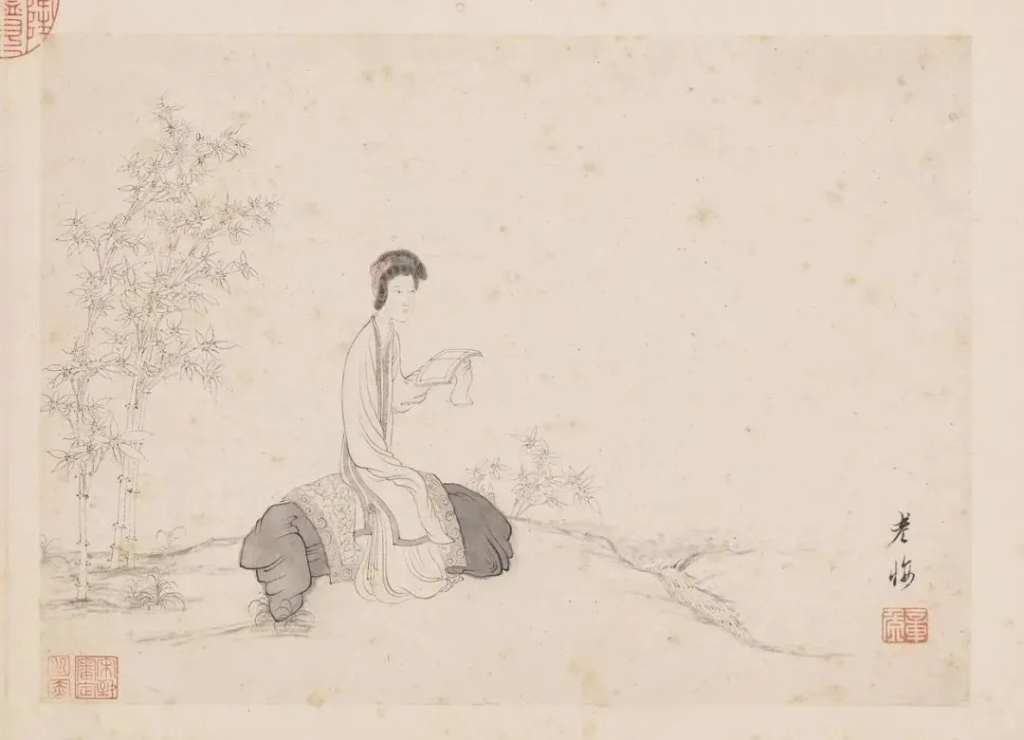
“Piao (缥)” refers to light cyan, and “xiang (香)” refers to light yellow. In ancient times, people often used silk fabrics of cyan and yellow colors to wrap books. When reading, they would take out a scroll, gently untie the silk ribbon, and immerse themselves in the world of the book. Soft light spills in through the window, and a cup of light tea exudes a faint aroma. The creation of such an atmosphere makes reading a pleasure.
Ⅸ. Contemplating Buddhism
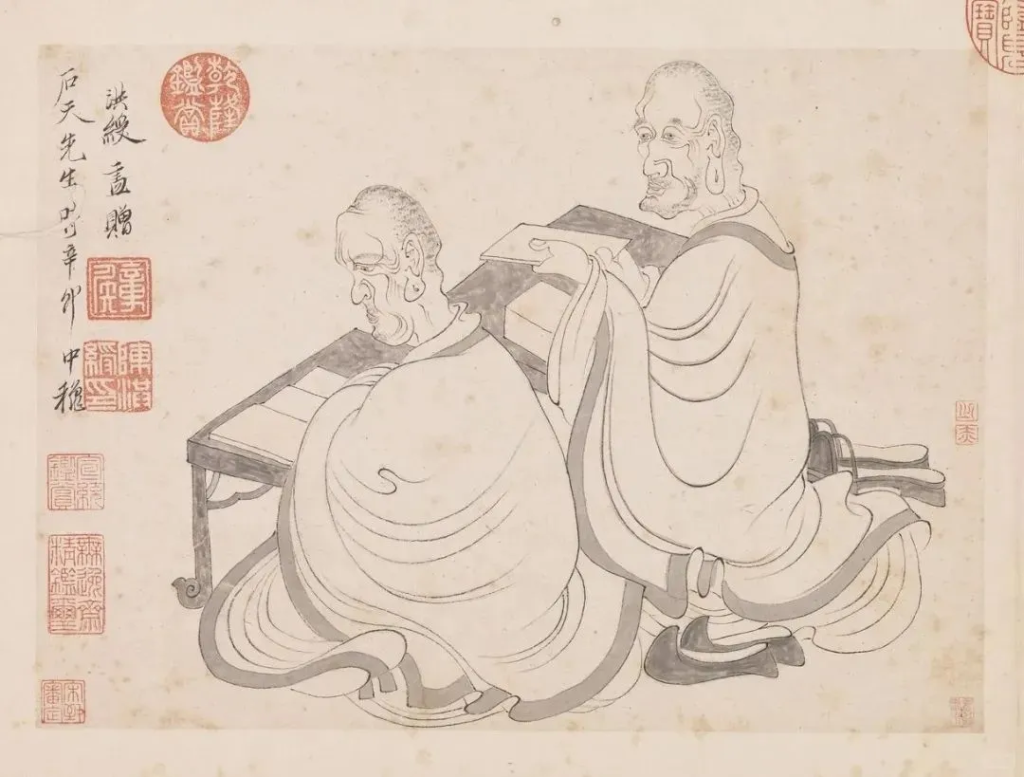
“fan (樊)” means Buddha, and “pin fan (品樊)” means delving into and understanding the realm of Buddhism. In their secluded abodes, such as thatched cottages in the mountains or quiet side courtyards of temples, hermits carefully read Buddhist scriptures written in Sanskrit. Or they sit in the lotus position either in a quiet meditation room or under a bodhi tree outdoors, and through profound thinking, they strive to comprehend the wisdom of the emptiness concept in Buddhism.
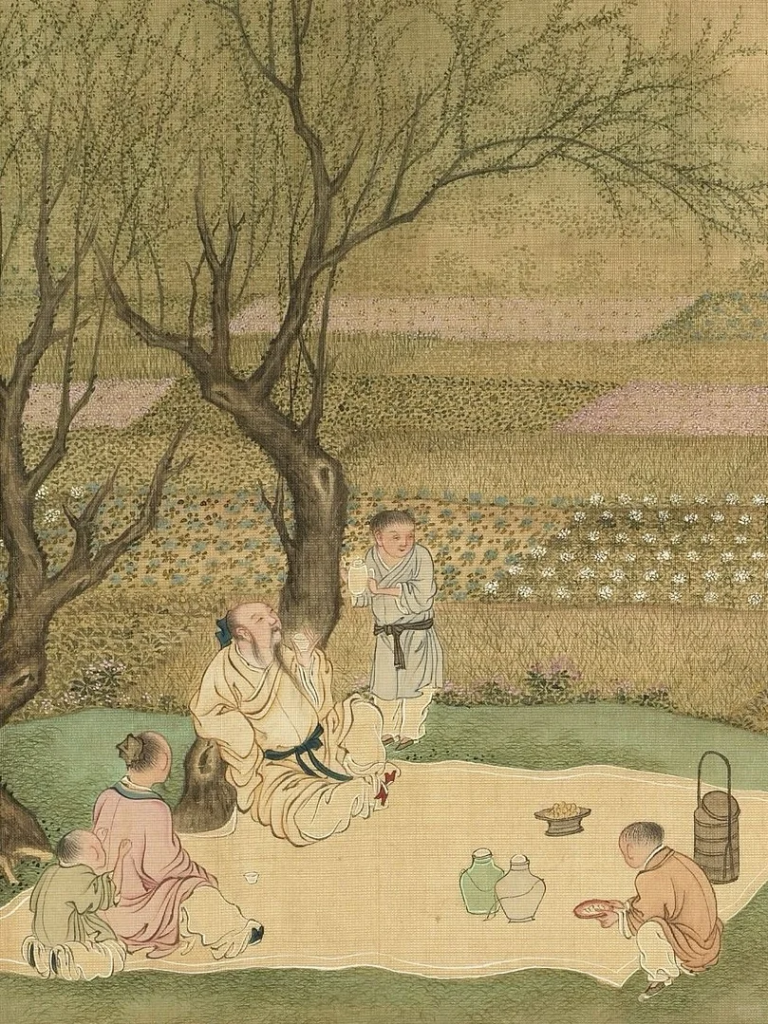
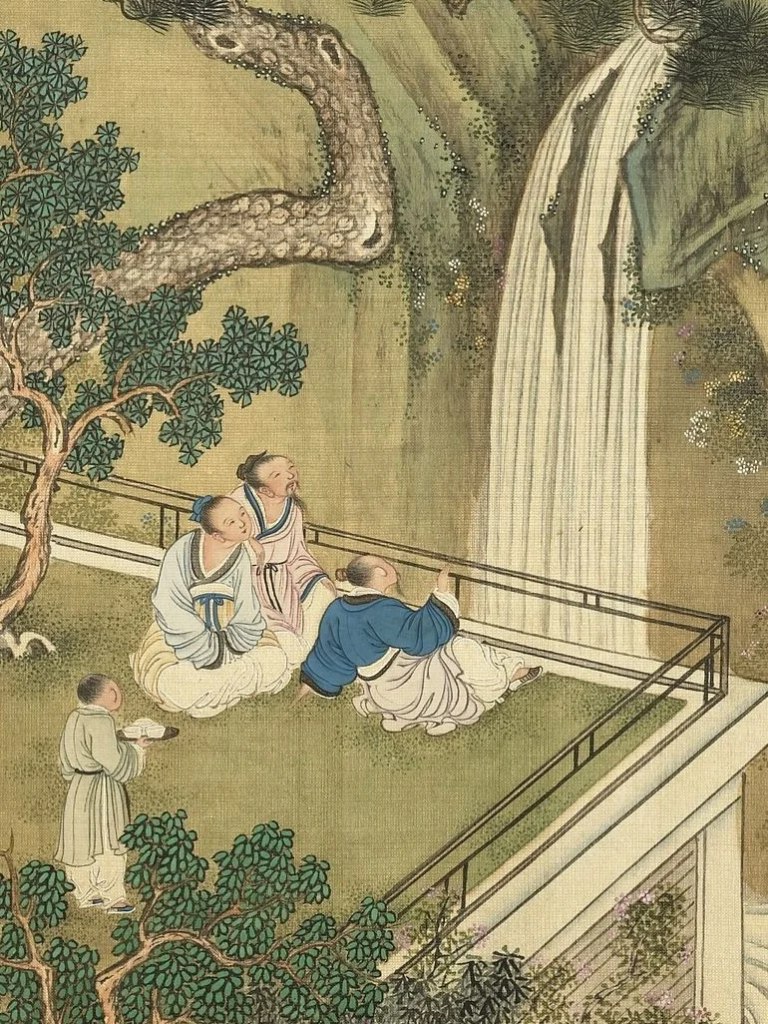
Summary
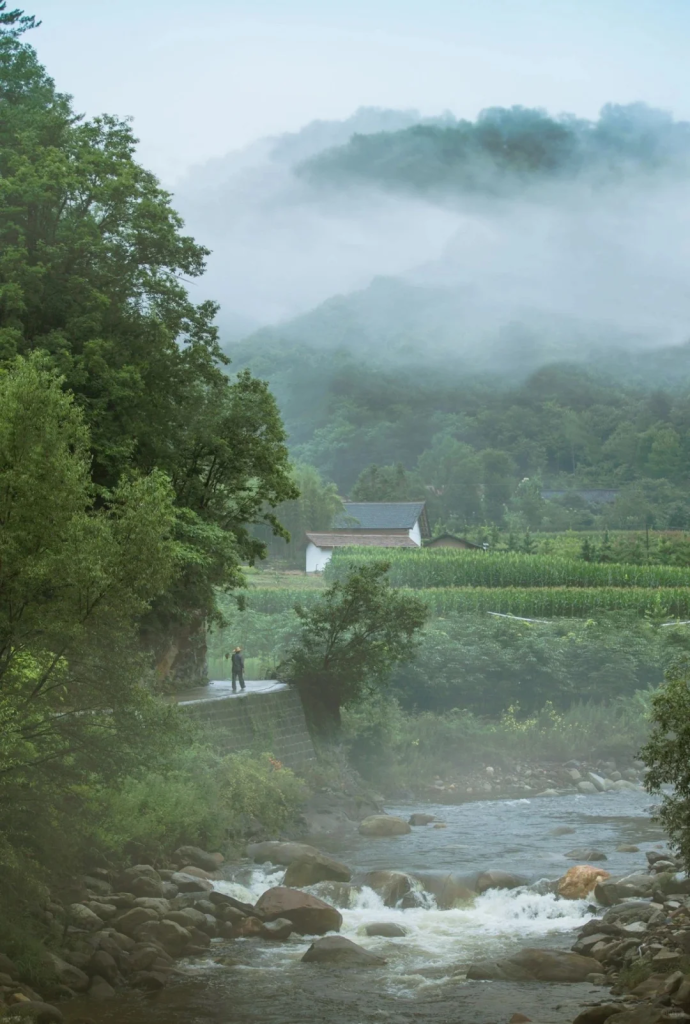
Seclusion is actually an idealized way of living, but in reality, not many people can actually practice it. Take Wang Wei’s Wangchuan (辋川) Villa as an example. It stretches for 10 kilometers in length and has more than 20 buildings. There are continuous mountains on both the east and west sides, and the Wangchuan River flows through the middle. Those who can truly live in seclusion are usually the ones who have farmland when they need it and enough money at their disposal. They build houses to enjoy a comfortable life, rather than going to the mountains to endure hardships.
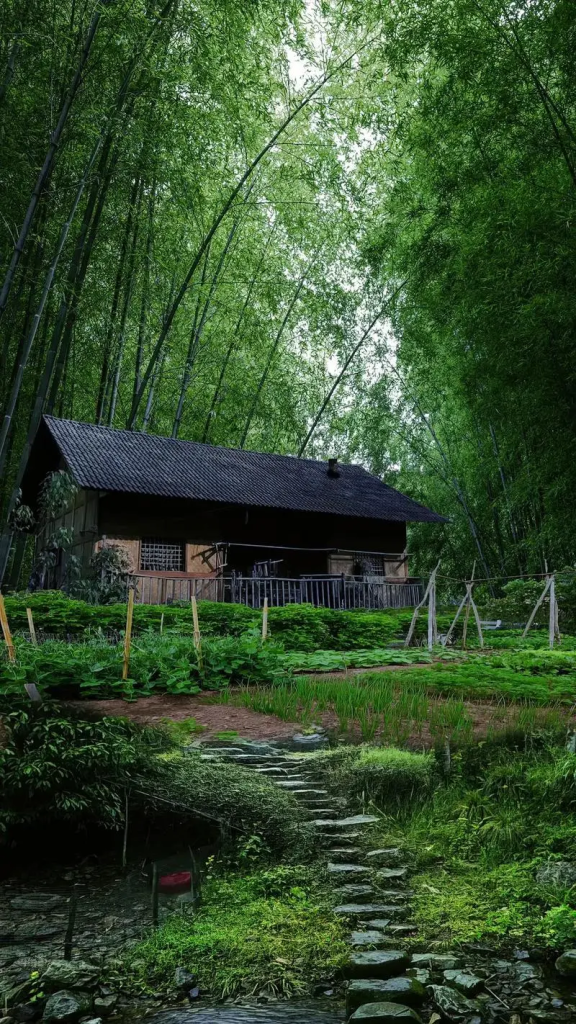
The act of living in seclusion is really an elegant thing. This way of escaping the secular world is only for a few people. Nowadays, the vast majority of people are firmly caught up in modern urban life. They have to care about their parents, deal with the internet, consider farming techniques, rely on express delivery of goods, and worry about having sufficient funds… Ah, just thinking about all these things can give anyone a headache. It’s probably best to just wash up and go to bed early.
0 Comments