What Was the Nightlife of Ancient Chinese People Like? – Expensive Candles (Part 1)
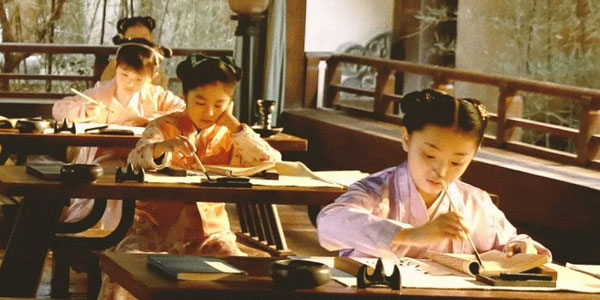
Do the nights that are as bright as day and the bustling and lively night markets that often appear in ancient costume dramas really exist in history? What kinds of troubles that are hard for us to imagine did the ancients have at night?
What would be the most difficult thing for you to adapt to if you were to travel back in time to ancient times?
Even if you are passionate about Chinese classical culture and can endure all sorts of inconveniences in terms of clothing, food, shelter, and transportation, the long nights alone would be enough to make you hurry up and buy a ticket to return to the present – the prosperous night scenes that frequently appear in ancient costume dramas are mostly the wishful and beautiful imaginations of screenwriters who are not familiar with history. The nights in ancient times were much more troublesome than you might imagine.
Ⅰ. Candles Were Actually Luxury Items
Modern people who are accustomed to various artificial light sources may have long forgotten how unsuitable the darkness of night is for human activities. During a power outage, we are forced to spend the long night in the way the ancients did – lighting candles and chatting, playing cards, or even reading and writing under the dim and flickering candlelight. Just how much dimmer are candles compared to electric lights? If we use the concept of luminous flux (measured in lumens), a light-emitting body with a luminous intensity of 1 candela (about the light of one candle) has a luminous flux of 1 lumen, while a 40-watt fluorescent lamp has a luminous flux of approximately 2,100 lumens.
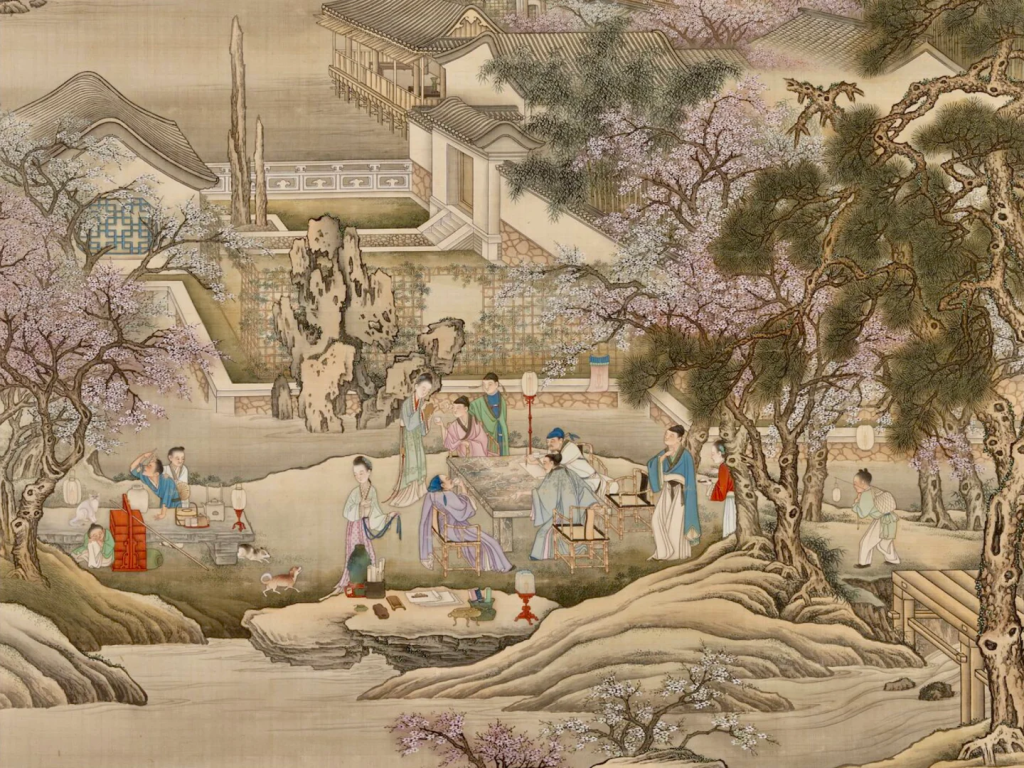
Calculated in this way, we are actually underestimating the gap between ancient and modern lighting methods. The beautiful image of “When can we trim the wicks of candles by the west window together” that classical culture enthusiasts are enchanted by represents a luxurious life that only a few people could afford. In ancient times, candles were far less popular than one might imagine. According to the recollection of the renowned chemist Zeng Zhaoqiang (曾昭抢), before the late Qing Dynasty, when common people needed lighting at night, “lighting a pine branch or a thin bamboo strips (篾片) could solve the problem. Relying on candles for lighting at night was a very rare occurrence.” No wonder we always see those nobles dressed in hanfu adorned with gold and silver accessories. After all, the amount of money they spent on lighting up their rooms for just one night was truly a display of squandering wealth.
Ⅱ. What Did Ancient Candles Look Like?
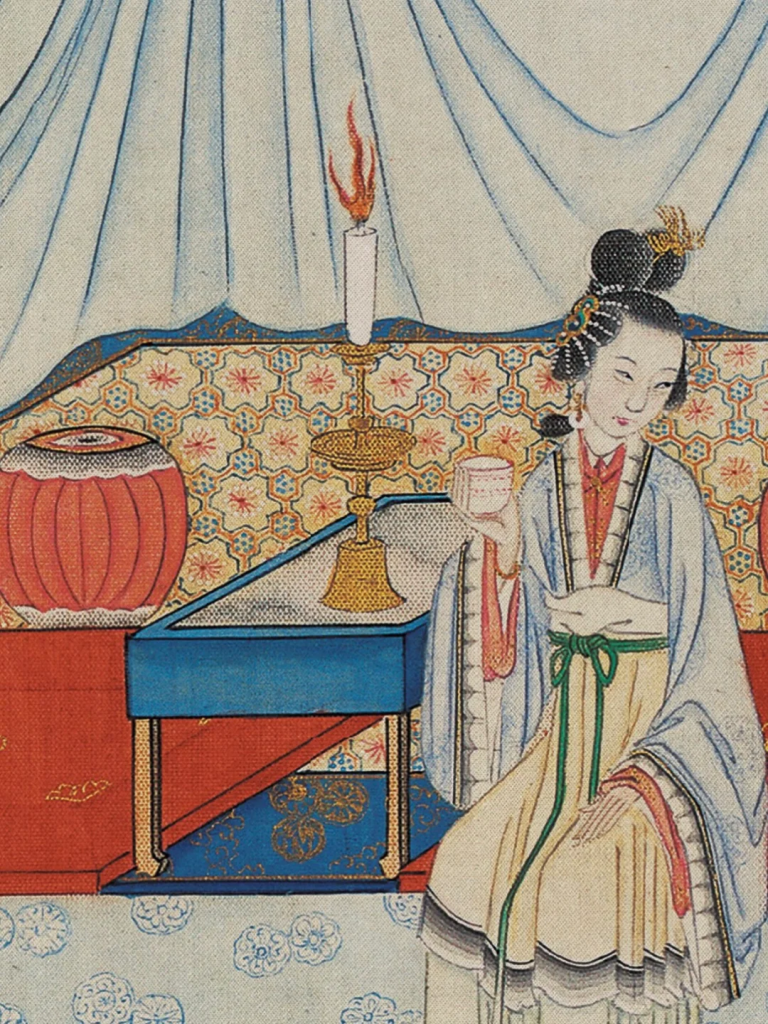
Why weren’t candles more popular? That’s because the candles back then were completely different from the ones we have today. Today’s candles are made of paraffin wax, which is a product of the petroleum industry. They are highly pure, burn steadily, and are inexpensive. In contrast, ancient candles were often made by mixing beeswax, Chinese wax, and animal fats that didn’t melt at room temperature. They burned unsteadily, were extremely prone to melting, gave off a lot of smoke, and the animal fats often emitted an unpleasant odor due to spoilage.
Ⅲ. Candles and Social Class Status
What’s more, ordinary families might not even be able to afford candles. According to the History of the Song (《宋史》), Kou Zhun (寇準), a famous prime minister in the Northern Song Dynasty, enjoyed wealth and prosperity from a young age and had a luxurious lifestyle. “His family never used an oil lamp. Even in the kitchen, torches and candles were always lit.” It can be seen that candles were a symbol of wealth in ancient times. In the Song Dynasty, a single candle cost around 150 wen (Wen/文 is a unit of currency, referring to one copper coin.), and 2 to 3 candles might be consumed each night.
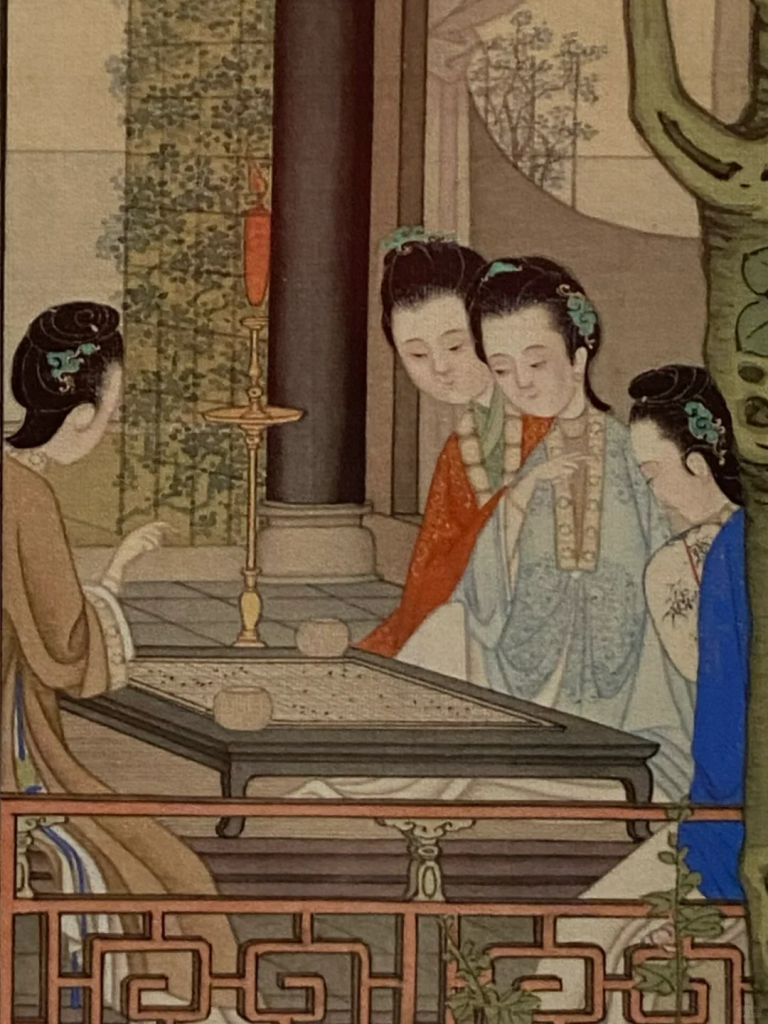
After the Song Dynasty, vegetable oils with high melting points like those from Chinese tallow trees were added to candles to reduce costs, but the results were still not ideal. In the late Qing Dynasty, the price of candles was still as high as 200 wen per jin. The cost of lamp oil consumed each night was only about 4 to 5 wen. Roughly calculated, the cost of using candles was 100 times that of using an oil lamp. There were indeed some giant candles in ancient China that could provide good lighting, but their prices were beyond the reach of ordinary families.
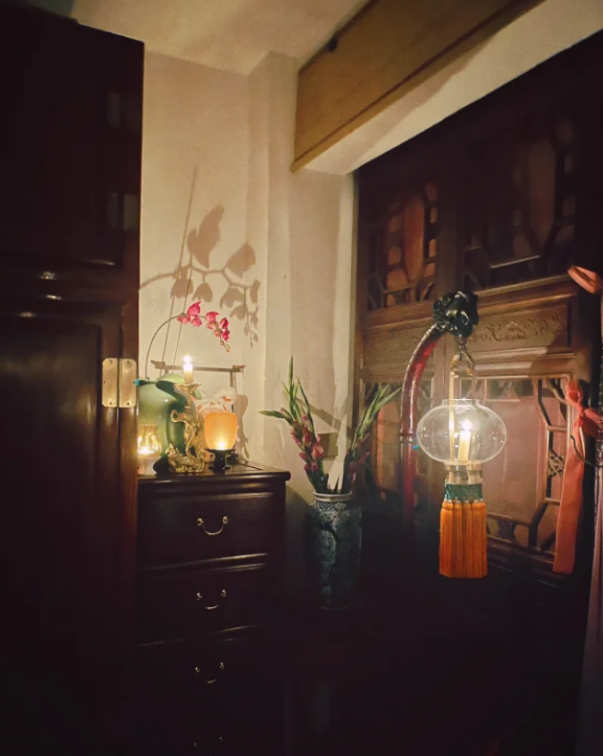
The oil lamp was a more common lighting tool in ancient times. Its brightness could be adjusted. If more fuel was added or a thicker wick was used, the brightness of the oil lamp could be as good as that of a candle, but at the same time, the cost would also be as extravagant as using candles. An ordinary oil lamp was rather dim, and the phrase “a lamp as small as a bean” vividly describes its lighting effect. Incidents where lamp wick sparks fell on books and burned them often occurred in ancient times. This not only shows that oil lamps posed a risk of causing fires but also indicates how close the books and the eyes of the ancients were to the oil lamps when they were reading.
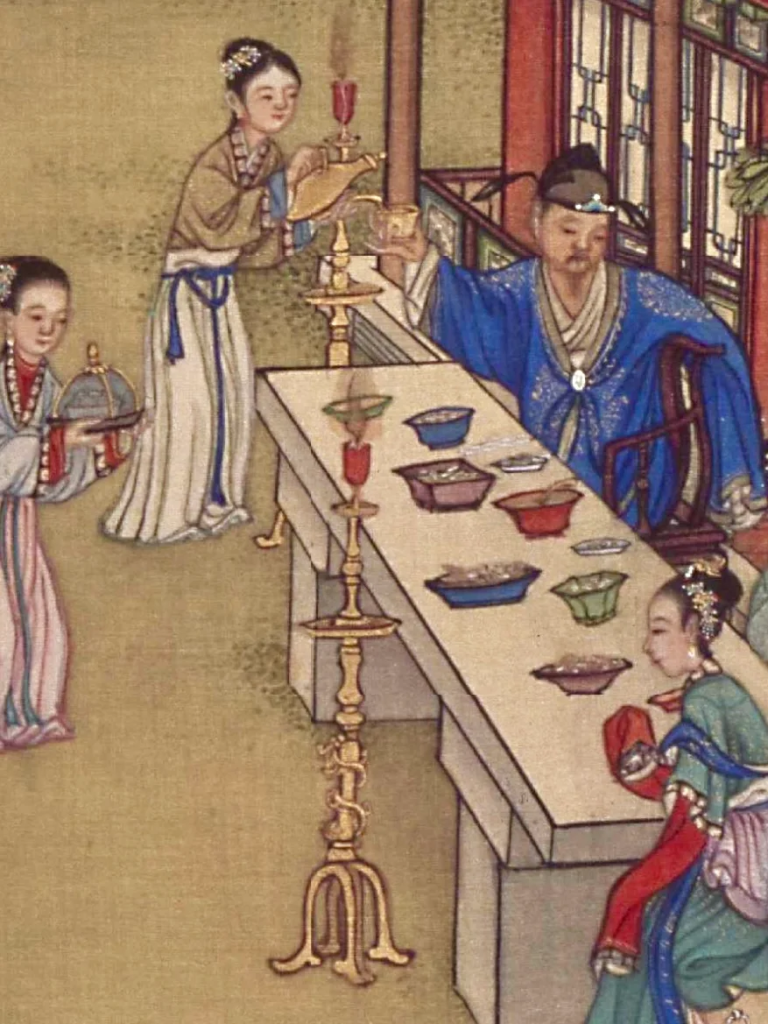
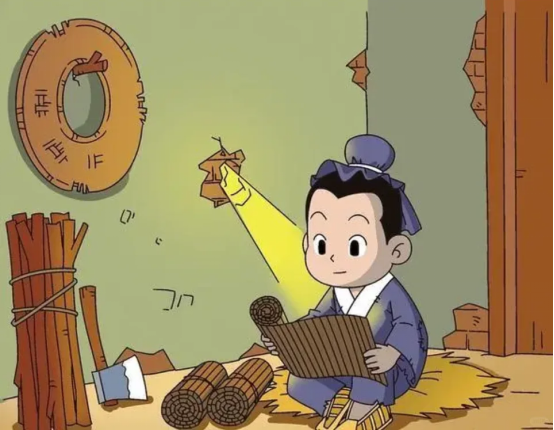
Even so, not everyone could afford an oil lamp. In the novel The Scholars, Yan Sheng(严蓝生), a miser, stretched out two fingers and refused to breathe his last before he died because he thought that having two wicks burning in the oil lamp was too wasteful of oil. The allusions of “borrowing light through a chiseled wall/凿壁偷光” and “using the light of fireflies and reflected snow to study/囊萤映雪” also indicate that oil lamps were far from being as popular as today’s candles.
Ⅳ. The Situation of Outdoor Lighting
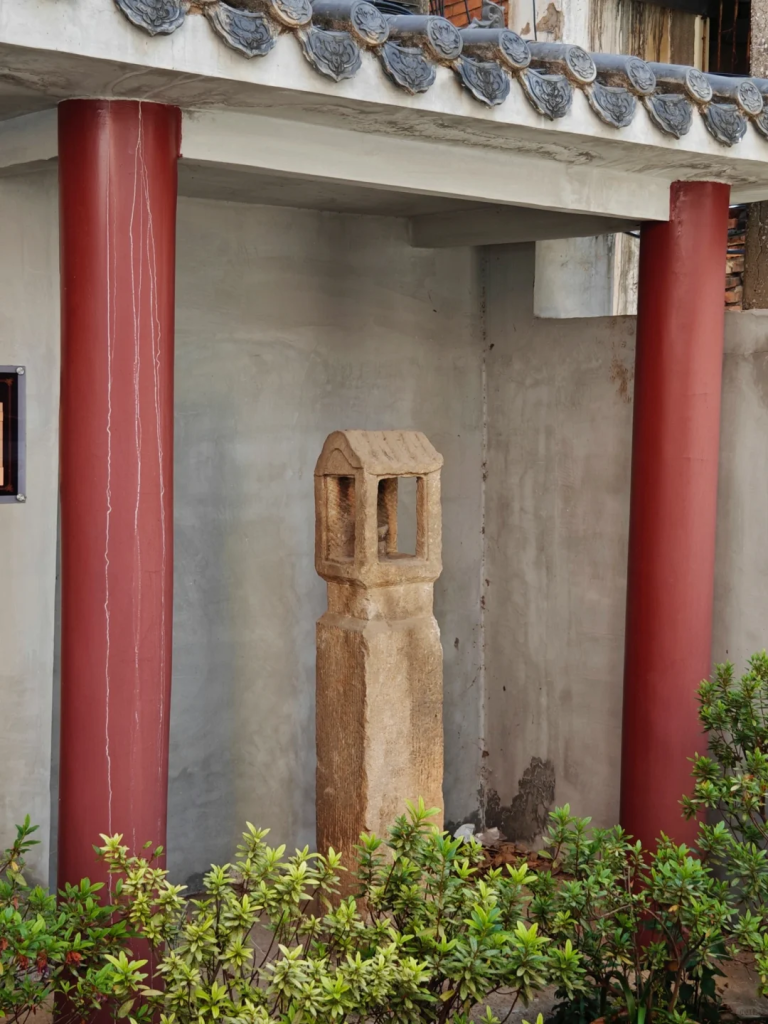
If it was so dim indoors, what about the streets? The ancients also came up with some ways for outdoor lighting. For example, starting from the Tang and Song dynasties, on streets with a large number of pedestrians or at bridgeheads, public street lamps were often installed. Some wealthy temples would also light an eternal lamp on top of a tall pagoda to show that the light of Buddha shines everywhere.
However, if you are someone with night blindness, it’s better not to go out at night. That’s because on most roads, night travelers could only rely on lanterns or torches and walk with great difficulty by the light of the moon.
During the Tang and Song dynasties, there were rarely any lights on the roads within the imperial city and palaces. When court officials were summoned at night and were granted the privilege of being escorted back with lights, it was considered an extraordinary favor. Throughout the Song Dynasty, only ten people had the honor of enjoying this treatment. The most famous among them was Su Dongpo. When he was received by the Grand Empress Dowager and Emperor Zhezong (哲宗) at night, as he was leaving, he was accompanied back by the “Golden Lotus Candles from the Emperor’s Presence,” which became a much-told tale.
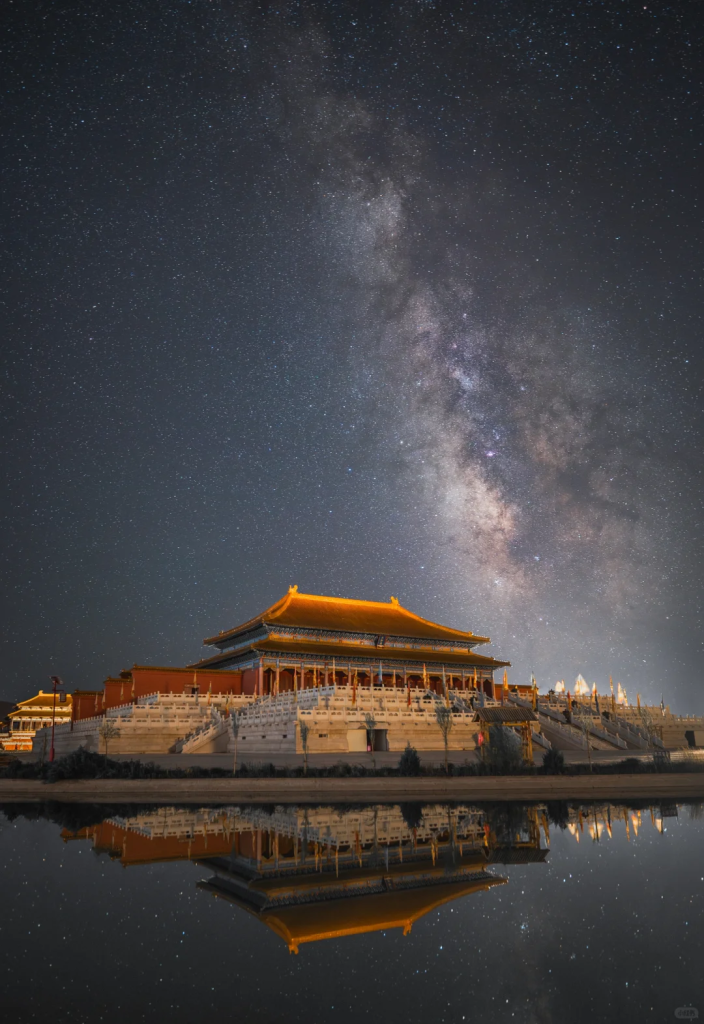
In the Ming Dynasty, there were street lamps in the Forbidden City. As recorded in The History of the Ming Imperial Palace (《明宫史》), “The lamps had stone bases, copper structures, and copper wire for the doors and walls. Every night, the workers from the Inner Palace Treasury would add oil and light the lamps to facilitate patrolling and security checks.” Later, Wei Zhongxian (魏忠贤) removed all these street lamps to make it more convenient for himself to go in and out at night.
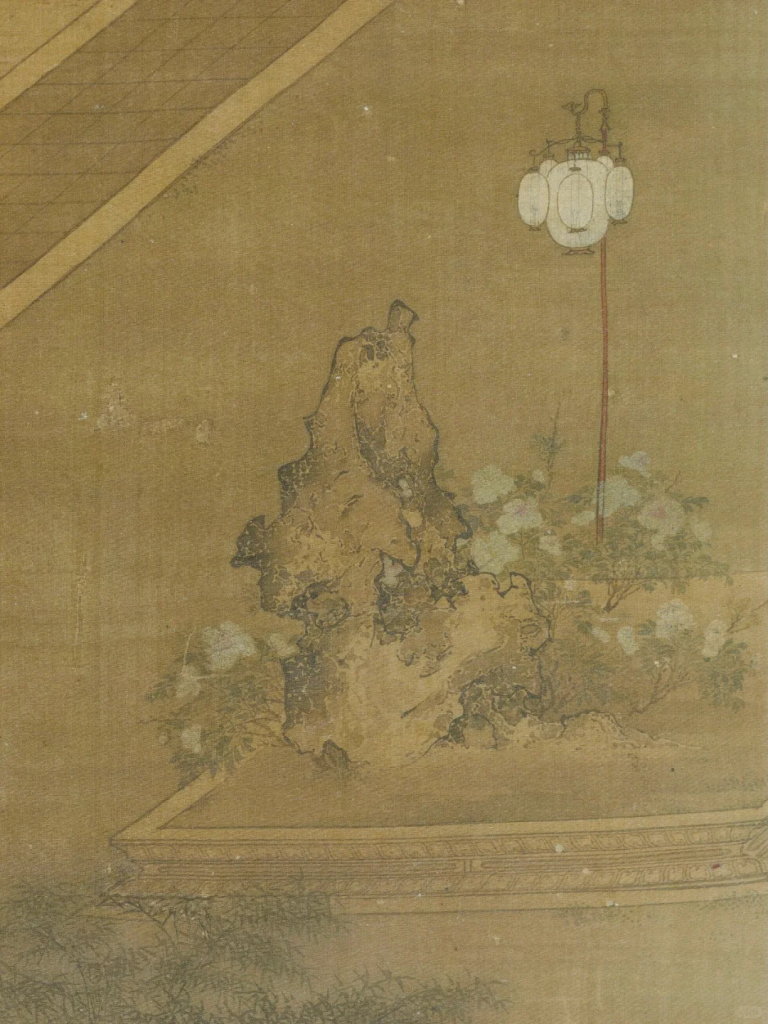
In the Forbidden City during the Qing Dynasty, there were no street lamps installed in areas other than the residences of the emperor, empress, and imperial princes, which greatly troubled the officials. It seems that even if someone is wearing the Chinese emperor outfit , without decent lighting conditions, being an emperor doesn’t really seem all that enviable.
When they went to court, they usually had to use small lanterns to light their way. One snowy night in the early years of the Guangxu (1875 ) reign, an offical accidentally fell into the Imperial River and died because of the darkness. It was not until 1888, when the bedroom of the Empress Dowager Cixi was equipped with the electric lights that Li Hongzhang (李鸿章) had presented as a tribute, that the Forbidden City finally bid farewell to its pitch-black nights.

0 Comments